DescriçãoDescription
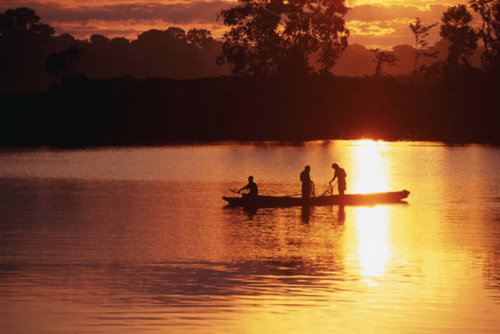
A cultura pantaneira nasceu da convivência entre diferentes povos que ocuparam a região ao longo dos séculos, incluindo indígenas, bandeirantes, migrantes e comunidades tradicionais. Adaptada aos ciclos das cheias e secas, ela reflete uma profunda ligação entre o ser humano e a natureza. O cotidiano do pantaneiro é marcado pela vida no campo, pela criação de gado, pela pesca, pela navegação nos rios e pelo respeito aos ritmos naturais do Pantanal. A culinária regional, a música, as festas tradicionais, o artesanato e as histórias transmitidas oralmente fazem parte desse rico patrimônio cultural.
Pantanal culture was shaped by the interaction of different peoples who settled in the region over the centuries, including Indigenous communities, explorers, migrants, and traditional local populations. Adapted to the annual cycles of floods and droughts, it reflects a deep connection between people and nature. Daily life in the Pantanal revolves around cattle ranching, fishing, river transportation, and living in harmony with the natural rhythms of the wetlands. Traditional cuisine, regional music, local festivals, handicrafts, and stories passed down through generations are all part of this rich cultural heritage.
ImportânciaSignificance
A figura do pantaneiro representa a simplicidade, a hospitalidade e a capacidade de viver em harmonia com um dos ecossistemas mais importantes do planeta. Preservar a cultura pantaneira é também preservar a memória e a identidade do Pantanal.
The pantaneiro — the traditional inhabitant of the Pantanal — symbolizes simplicity, hospitality, and the ability to live in harmony with one of the world's most important ecosystems. Preserving Pantanal culture also means protecting the history, identity, and traditions of this unique region.