Classificação científicaScientific classification
| Reino:Kingdom: | Animalia |
| Filo:Phylum: | Chordata |
| Classe:Class: | Aves |
| Ordem:Order: | Strigiformes |
| Família:Family: | StrigidaeLeach, 1820 |
| Espécie:Species: | B. virginianus |
| Nome científico:Scientific name: | Bubo virginianus(Gmelin, 1788) |
| Nome em inglês:English name: | Great Horned Owl |
CaracterísticasCharacteristics
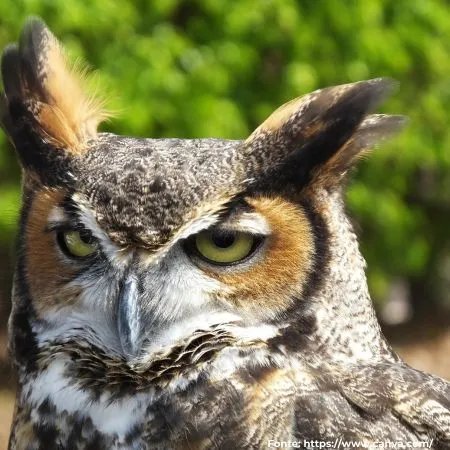
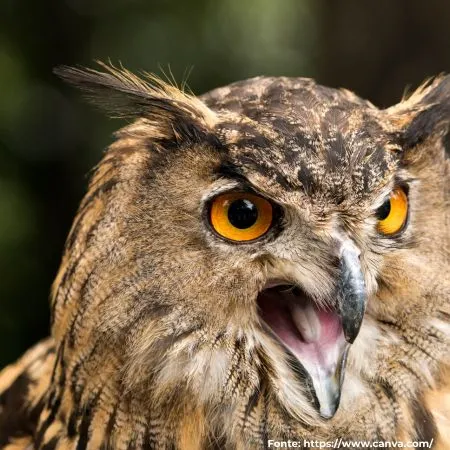
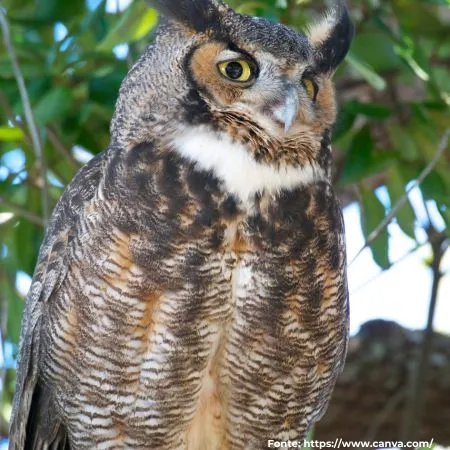
O corujão-orelhudo, também conhecido como jacurutu (Bubo virginianus), é a maior coruja do Brasil, medindo entre 45 e 60 cm de comprimento. As fêmeas são significativamente maiores, podendo ultrapassar 2,5 kg, enquanto os machos normalmente pesam entre 1 e 1,6 kg. Seu corpo robusto, as garras extremamente poderosas e os grandes penachos sobre a cabeça conferem uma aparência imponente. Os olhos amarelos destacam-se na face, e a plumagem varia do cinza-claro ao marrom-escuro, com finas barras nas partes inferiores que proporcionam excelente camuflagem entre troncos e galhos. Durante a vocalização, infla a garganta branca, formando uma mancha muito evidente que funciona como um importante sinal visual para outros indivíduos da espécie.
The Great Horned Owl, known in Brazil as Jacurutu (Bubo virginianus), is the largest owl in the country, measuring 45–60 cm (18–24 in) in length. Females are considerably larger than males and may weigh over 2.5 kg (5.5 lb), while males usually weigh between 1 and 1.6 kg (2.2–3.5 lb). Its massive body, exceptionally powerful talons, and prominent feather tufts give it an imposing appearance. Bright yellow eyes stand out against its face, while the gray to dark brown plumage with fine barring provides excellent camouflage among tree trunks and branches. During its territorial calls, it inflates the white feathers on its throat, creating a striking visual signal visible even in low light.
AlimentaçãoFeeding
É uma predadora oportunista de grande porte, capaz de capturar uma enorme variedade de presas. Sua dieta inclui roedores, gambás, lebres, morcegos, aves de médio porte, outras corujas, serpentes, lagartos, sapos, aranhas e grandes insetos. Normalmente caça a partir de um poleiro elevado, observando atentamente o ambiente antes de lançar um voo silencioso e extremamente preciso. As presas são abatidas com as fortes garras e, quando há alimento em abundância, parte dele pode ser armazenada para consumo posterior.
The Great Horned Owl is a powerful opportunistic predator capable of taking an impressive variety of prey. Its diet includes rodents, opossums, hares, bats, medium-sized birds, other owls, snakes, lizards, frogs, spiders, and large insects. It usually hunts from elevated perches, carefully watching the surroundings before launching a silent and highly accurate attack. Prey is killed with its powerful talons, and surplus food is sometimes stored for later consumption.
ReproduçãoReproduction
O ciclo reprodutivo começa durante o inverno, quando o casal fortalece o vínculo por meio de vocalizações em dueto. Em vez de construir um novo ninho, normalmente utiliza grandes ninhos abandonados por aves de rapina, cavidades em árvores, escarpas rochosas ou outros locais protegidos. A fêmea coloca geralmente dois a três ovos, incubando-os sozinha por cerca de 28 a 35 dias, enquanto o macho fornece alimento e protege o território. Os filhotes permanecem no ninho por aproximadamente sete semanas e continuam sendo alimentados pelos pais durante vários meses, até adquirirem independência.
Breeding begins during the winter, when pairs strengthen their bond through impressive vocal duets. Rather than building a new nest, Great Horned Owls usually occupy abandoned raptor nests, tree cavities, rocky ledges, or other sheltered locations. The female generally lays two to three eggs, incubating them alone for about 28–35 days, while the male provides food and defends the territory. The chicks remain in the nest for roughly seven weeks and continue receiving parental care for several months before becoming independent.
HábitosHabits
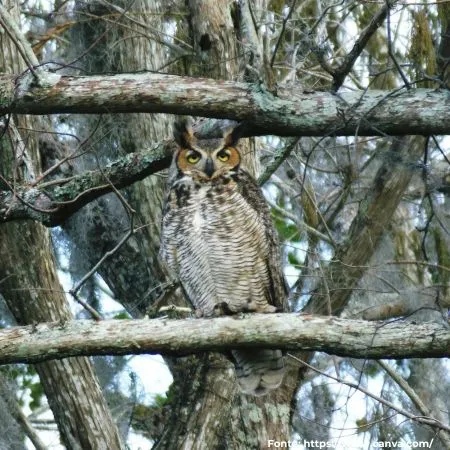
Habita bordas de matas, cerrados, campos, áreas semiabertas, capões, escarpas rochosas e grandes parques urbanos. É predominantemente noturno, iniciando suas atividades logo após o crepúsculo. Durante o dia permanece escondido entre árvores densas ou formações rochosas, descansando quase imóvel. Antes de iniciar a caça, costuma vocalizar a partir de poleiros elevados, marcando seu território. Os machos realizam uma exibição característica, inclinando o corpo para a frente e inflando a garganta branca, que se torna altamente visível durante o canto. Na época reprodutiva, o casal pode defender o ninho com grande determinação, inclusive contra animais de grande porte e seres humanos que se aproximem demais dos filhotes.
The Great Horned Owl inhabits forest edges, wooded savannas, grasslands, rocky outcrops, and even large urban parks. It is primarily nocturnal, becoming active shortly after dusk. During the day it rests quietly among dense foliage or rocky shelters. Before hunting, it often calls from exposed perches to advertise its territory. Males perform a remarkable display by leaning forward and inflating the white feathers on the throat, making the signal highly visible while calling. During the breeding season, both adults vigorously defend the nest and may even attack large animals or humans that approach their chicks.
ReferênciasReferences
Crozariol, M.A. & F.C. Almeida (2006) Primeiro registro de Bubo virginianus (Gmelin, 1788) (Aves: Strigidae) no litoral norte do estado de São Paulo, sendo o terceiro registro documentado da espécie para o estado. Atualidades Ornitológicas 132: 20-21. Konig, Claus & Weick, Friedhelm - “Owls of the World”, 2a edição - 2008 - Christopher Helm - Londres - páginas 319-321. CLEMENTS, J. F., T. S. Schulenberg, M. J. Iliff, D. Roberson, T. A. Fredericks, B. L. Sullivan, and C. L.. The Clements checklist of Birds of the World: Version 6.9; Cornell: Cornell University Press, 2014. The World Bird Database, AVIBASE; http://avibase.bsc-eoc.org/species.jsp?avibaseid=FC366114BD3B51A0. Handbook of the Birds of the World Alive. Lynx Edicions, Barcelona. ITIS - Integrated Taxonomic Information System (2015); Smithsonian Institution; Washington, DC. SILVA, J., RIBENBOIM, L. C. da C., SANTOS, N. Corujas do Brasil. Taubaté, SP: Dica de Turismo Publicações, 2017. http://www.wikiaves.com.br. Acesso em: 16/12/2024.