Classificação científicaScientific classification
| Reino:Kingdom: | Animalia |
| Filo:Phylum: | Chordata |
| Classe:Class: | Aves |
| Ordem:Order: | Passeriformes |
| Família:Family: | ParulidaeWetmore, Friedmann, Lincoln, Miller, Peters, van Rossem, Van Tyne & Zimmer, 1947 |
| Espécie:Species: | M. flaveola |
| Nome científico:Scientific name: | M. flaveola(Baird, 1865) |
| Nome em inglês:English name: | Flavescent Warbler |
CaracterísticasCharacteristics
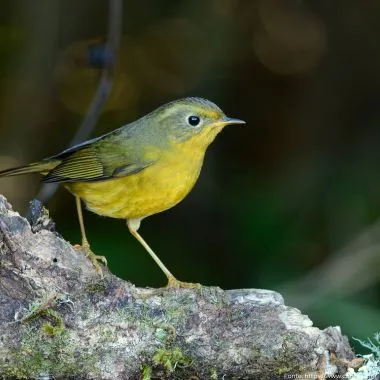
O canário-do-mato (Basileuterus flaveolus) é uma pequena ave de plumagem vibrante, facilmente reconhecida pelo intenso amarelo do corpo, contrastando com o dorso oliva e a faixa escura que atravessa os olhos. Apresenta uma marcante sobrancelha amarela, pernas longas em tons amarelados ou alaranjados e bico fino de coloração negra. Está quase sempre em movimento, explorando a vegetação baixa em busca de alimento. Seu canto forte e melodioso lembra o de um canário-doméstico, característica que inspirou seu nome popular.
The Flavescent Warbler (Basileuterus flaveolus) is a small, brightly colored bird easily recognized by its vivid yellow plumage, olive-green back, and dark stripe running through the eye. It has a prominent yellow eyebrow, long yellowish to orange legs, and a slender black bill. Constantly active, it spends much of its time searching for food among low vegetation. Its loud, melodious song resembles that of a domestic canary, which inspired its common Portuguese name.
AlimentaçãoFeeding
Alimenta-se principalmente de pequenos insetos, aranhas e outros invertebrados encontrados entre folhas secas, galhos baixos e troncos caídos. Frequentemente acompanha as formigas-de-correição, aproveitando os pequenos animais que fogem do avanço dessas formigas para capturá-los com rapidez.
Its diet consists mainly of insects, spiders, and other small invertebrates found among leaf litter, low branches, and fallen logs. It often follows army ant swarms, taking advantage of the small animals flushed out by the advancing ants and capturing them with remarkable agility.
ReproduçãoReproduction
A reprodução ocorre principalmente entre julho e dezembro, período em que os machos intensificam o canto para atrair as fêmeas e defender seus territórios. Embora possa vocalizar durante todo o ano, é nessa época que sua atividade reprodutiva se torna mais evidente.
Breeding occurs mainly between July and December, when males sing more frequently to attract females and defend their territories. Although the species vocalizes throughout the year, its breeding behavior is most noticeable during this period.
HábitosHabits
Habita matas ciliares, matas secas, cerradões e outras áreas florestadas, permanecendo quase sempre próximo ao solo. É uma ave extremamente ativa e inquieta, raramente permanecendo parada por muito tempo. Enquanto canta, costuma abrir levemente a cauda e balançá-la de um lado para o outro, comportamento bastante característico da espécie. Também participa ocasionalmente de bandos mistos de aves insetívoras, acompanhando outros pássaros durante a procura por alimento.
The Flavescent Warbler inhabits gallery forests, dry forests, wooded savannas, and other forested habitats, usually remaining close to the ground. It is an energetic and restless bird that rarely stays still for long. While singing, it often spreads its tail slightly and swings it from side to side, a distinctive behavior that helps identify the species. It also occasionally joins mixed-species flocks, foraging alongside other insect-eating birds.
ReferênciasReferences
SESC - Guia de Aves do Pantanal - disponível em http://www.avespantanal.com.br/paginas/285.htm Acesso em 16 jun. 2009. https://www.wikiaves.com.br/wiki/canario-do-mato. Acesso em 20/12/2024.