Classificação científicaScientific classification
| Reino:Kingdom: | Animalia |
| Filo:Phylum: | Chordata |
| Classe:Class: | Aves |
| Ordem:Order: | Passeriformes |
| Família:Family: | TyrannidaeVigors, 1825 |
| Espécie:Species: | P. lictor |
| Nome científico:Scientific name: | Philohydor lictor(Lichtenstein, 1823) |
| Nome em inglês:English name: | Lesser Kiskadee |
CaracterísticasCharacteristics
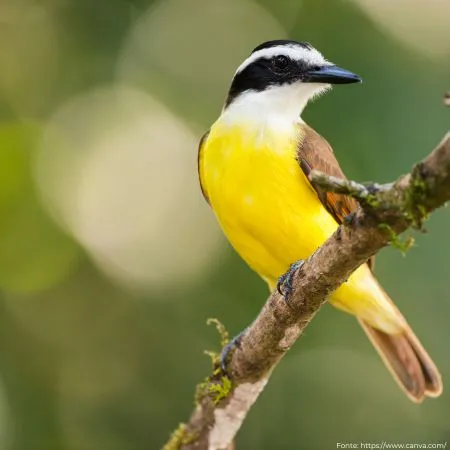
O bentevizinho-do-brejo (Philohydor lictor) mede cerca de 18 cm de comprimento e distingue-se pelo bico longo e fino, adaptado para capturar pequenos invertebrados. Apresenta dorso em tons oliva-acastanhados, peito e ventre amarelos, garganta clara e uma discreta faixa branca acima dos olhos. No topo da cabeça possui uma pequena crista amarelo-enxofre, normalmente escondida entre as penas. As bordas ferrugíneas das asas também ajudam na identificação da espécie.
The Lesser Kiskadee (Philohydor lictor) measures about 18 cm (7 in) in length and is recognized by its long, slender bill, which is well adapted for catching small invertebrates. It has olive-brown upperparts, bright yellow underparts, a pale throat, and a subtle white eyebrow. A small sulfur-yellow crown patch is usually hidden beneath the feathers, while the rusty edges of the wings provide another useful field mark.
AlimentaçãoFeeding
Alimenta-se principalmente de insetos, aranhas e outros pequenos artrópodes. Costuma permanecer imóvel em galhos baixos próximos à água, observando atentamente o ambiente antes de realizar voos curtos e rápidos para capturar suas presas com precisão.
Its diet consists mainly of insects, spiders, and other small arthropods. It typically waits quietly on low branches near the water, carefully watching for prey before making short, swift flights to capture it with remarkable accuracy.
ReproduçãoReproduction
Constrói um ninho em forma de taça aberta, geralmente apoiado em arbustos ou troncos baixos sobre a água, o que oferece maior proteção contra alguns predadores terrestres. A postura normalmente é de dois a três ovos, de coloração branco-amarelada com pequenas manchas violáceas. O casal participa da defesa do território durante o período reprodutivo.
The Lesser Kiskadee builds an open cup-shaped nest, usually placed on low shrubs or trunks over the water, helping protect it from some ground predators. The female typically lays two to three eggs, which are whitish-yellow with small violet markings. During the breeding season, both adults actively defend the nesting territory.
HábitosHabits
Habita brejos, lagoas, margens de rios, poças e outras áreas úmidas com vegetação arbustiva. É frequentemente observado aos pares ou em pequenos grupos familiares, permanecendo em galhos baixos próximos à água. Demonstra comportamento bastante ativo, movimentando constantemente as asas enquanto vigia o ambiente. Também aprecia banhar-se na chuva ou sobre folhas molhadas e costuma reunir-se com outros indivíduos em locais protegidos para passar a noite. Apesar do tamanho relativamente pequeno, é uma ave territorial e pode defender vigorosamente seu espaço.
The Lesser Kiskadee inhabits marshes, ponds, riverbanks, and other wetlands with dense shrubby vegetation. It is often seen in pairs or small family groups, usually perched on low branches near the water. The species is very active and frequently flicks its wings while watching its surroundings. It also enjoys bathing in rain or on wet foliage and may gather with other individuals in sheltered places to roost at night. Despite its modest size, it is territorial and readily defends its space.
ReferênciasReferences
Native Alimentos - disponível em http://www.nativealimentos.com.br/biodiversidade/especies_det.php?id=36 Acesso em 03 jun. 2009. CLEMENTS, J. F.; The Clements Checklist of Birds of the World. Cornell: Cornell University Press, 2005. https://www.wikiaves.com.br/wiki/bentevizinho-do-brejo. Acesso em 20/12/2024.