Classificação científicaScientific classification
| Reino:Kingdom: | Animalia |
| Filo:Phylum: | Chordata |
| Classe:Class: | Aves |
| Ordem:Order: | Apodiformes |
| Família:Family: | TrochilidaeVigors, 1825 |
| Espécie:Species: | A. nigricollis |
| Nome científico:Scientific name: | Anthracothorax nigricollis(Vieillot, 1817) |
| Nome em inglês:English name: | Black-throated Mango |
CaracterísticasCharacteristics
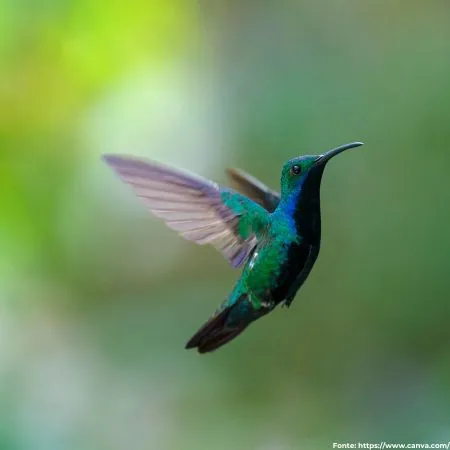
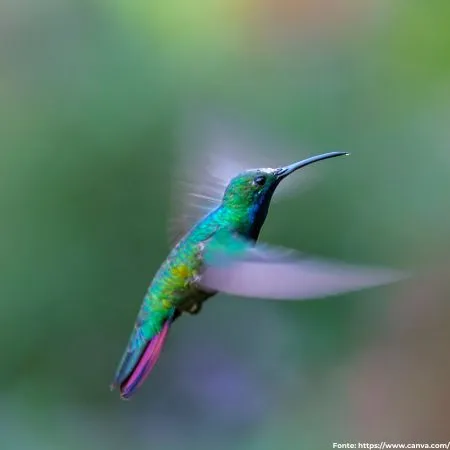
O beija-flor-de-veste-preta (Anthracothorax nigricollis) mede entre 11 e 12 cm de comprimento e apresenta um dos mais marcantes casos de dimorfismo sexual entre os beija-flores brasileiros. O macho possui garganta, peito e ventre negro-azulados com brilho metálico, contrastando com o dorso verde intenso. A longa cauda apresenta tonalidade vinho-escura e o bico é fino, muito comprido e levemente curvado na ponta. A fêmea é completamente diferente: apresenta plumagem verde nas partes superiores e partes inferiores claras, atravessadas por uma larga faixa escura que se estende da base do bico até o ventre. Os jovens lembram a fêmea, porém possuem margens claras nas penas do dorso.
The Black-throated Mango (Anthracothorax nigricollis) measures 11–12 cm (4.3–4.7 in) in length and displays one of the most striking examples of sexual dimorphism among Brazilian hummingbirds. The male has an iridescent blackish-blue throat, breast, and belly that contrast beautifully with its brilliant green upperparts. Its long tail is dark wine-colored, and its slender bill is exceptionally long with a slightly downcurved tip. The female looks completely different, with green upperparts and pale underparts crossed by a broad dark stripe extending from the base of the bill to the belly. Juveniles resemble the female but have pale edges on the feathers of the back.
AlimentaçãoFeeding
Alimenta-se principalmente do néctar das flores, visitando diversas espécies de plantas ao longo do dia. Também captura pequenos insetos em pleno voo, fonte importante de proteínas para sua dieta. Comparado a outros beija-flores, apresenta uma alimentação relativamente rica em insetos, especialmente durante a época reprodutiva.
Its diet consists mainly of flower nectar, which it collects from a wide variety of flowering plants throughout the day. It also captures small flying insects, an important source of protein. Compared with many other hummingbirds, the Black-throated Mango consumes a relatively large number of insects, particularly during the breeding season.
ReproduçãoReproduction
A fêmea constrói sozinha um pequeno ninho em formato de taça utilizando fibras vegetais macias, paina, líquens, musgos e teias de aranha, que conferem resistência e flexibilidade à estrutura. O ninho é instalado sobre galhos horizontais ou forquilhas de árvores e arbustos, muitas vezes próximo a rios e corixos. A postura normalmente é de dois ovos, incubados por cerca de 14 dias. Os filhotes permanecem no ninho por aproximadamente 20 dias antes de iniciar os primeiros voos.
The female builds a small cup-shaped nest using soft plant fibers, seed fluff, lichens, mosses, and spider silk, creating a lightweight yet remarkably strong structure. The nest is placed on horizontal branches or forks in trees and shrubs, often near rivers and wetlands. She usually lays two eggs, which are incubated for about 14 days. The chicks remain in the nest for approximately 20 days before fledging.
HábitosHabits
Habita bordas de florestas, cerradões, matas ciliares, áreas abertas com arbustos e jardins, sendo frequentemente observado nas copas das árvores e em plantas floridas. Visita regularmente flores de paineiras, ipês, ingazeiros, eucaliptos e diversas outras espécies produtoras de néctar. Em algumas regiões do Cerrado, pode realizar deslocamentos sazonais acompanhando a floração das plantas e a disponibilidade de alimento.
The Black-throated Mango inhabits forest edges, gallery forests, wooded savannas, open shrublands, and gardens, where it is often seen feeding high in flowering trees. It regularly visits the flowers of kapok trees, trumpet trees (ipês), inga trees, eucalyptus, and many other nectar-producing plants. In parts of the Cerrado, it may undertake seasonal movements following flowering cycles and food availability.
ReferênciasReferences
GRANTSAU, Rolf. Os beija-flores do Brasil: uma chave de identificação para todas as formas de beija-flores do Brasil / de Rolf Grantsau. - Rio de Janeiro: Expresão e Cultura, 1998. pág. 67-68. SESC - Guia de Aves do Pantanal - Disponível em: http://www.avespantanal.com.br/paginas/138.htm Acesso em 27 abr. 2009. http://www.piracuruca.com/passaro_texto.asp?codigo=47 Acesso em 27 abr. 2009. CLEMENTS, J. F.; The Clements Checklist of Birds of the World. Cornell: Cornell University Press, 2005. Sick, Helmut. Ornitologia Brasileira. Editora Nova Fronteira, Rio de Janeiro, 1997. Sigrist, Tomas. Guia de Campo Avis Brasilis, Avifauna Brasileira. Editora Avisbrasilis, Vinhedo, São Pailo, 2009. http://www.planetofbirds.com/ http://eol.org/ http://neotropical.birds.cornell.edu/ Contribuição: Omar Ramos Borges. Ridgely, R. S.; Gwynne, J. A.; Tudor, G.; Argel, M. Aves do Brasil: Mata Atlântica do Sudeste. São Paulo: Editora Horizonte, 2015, p. 180-181. Silva, B. C. F.; Gussoni, C. O. A. Guia das Aves da Serra do Urubu. São Paulo: SAVE Brasil, 2019, p. 45. Disponível em: https://www.savebrasil.org.br/publicacoes (PDF). Acesso em: 07 nov. 2023. http://www.wikiaves.com.br. Acesso em: 18/12/2024.