Classificação científicaScientific classification
| Reino:Kingdom: | Animalia |
| Filo:Phylum: | Chordata |
| Classe:Class: | Aves |
| Ordem:Order: | Apodiformes |
| Família:Family: | Trochilidaevigors, 1825 |
| Espécie:Species: | C. fimbriata |
| Nome científico:Scientific name: | Chionomesa fimbriata(Gmelin, 1788) |
| Nome em inglês:English name: | Glittering-throated Emerald |
CaracterísticasCharacteristics
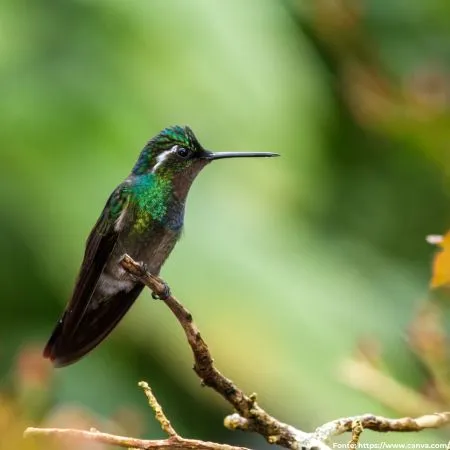
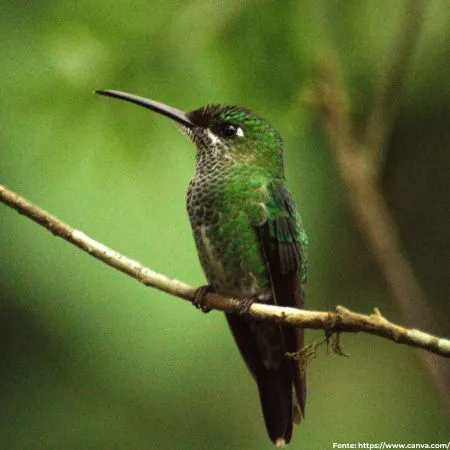
O beija-flor-de-garganta-verde (Chionomesa fimbriata, anteriormente Amazilia fimbriata) mede entre 8,5 e 11 cm de comprimento e pesa cerca de 5 g. Sua plumagem é predominantemente verde metálica, com diferentes reflexos conforme a luz. A garganta apresenta um tom verde de aspecto escamado, enquanto o centro do peito e o abdome são brancos, formando uma faixa clara bastante característica. Atrás dos olhos destaca-se um pequeno ponto branco, que auxilia na identificação da espécie. O bico é longo e reto, adaptado para alcançar o néctar das flores. Machos e fêmeas são bastante semelhantes, embora a fêmea apresente plumagem um pouco menos brilhante e discretas marcas claras na garganta.
The Glittering-throated Emerald (Chionomesa fimbriata, formerly Amazilia fimbriata) measures 8.5–11 cm (3.3–4.3 in) in length and weighs about 5 g (0.18 oz). Its plumage is predominantly metallic green, shimmering beautifully under sunlight. The throat has a subtle scaly green appearance, while the center of the breast and belly is white, forming a distinctive pale stripe. A small white spot behind the eye is another useful field mark. Its long, straight bill is perfectly adapted for feeding on flower nectar. Males and females look very similar, although females tend to have slightly duller plumage and faint pale markings on the throat.
AlimentaçãoFeeding
Alimenta-se principalmente do néctar das flores, sendo um importante polinizador de diversas plantas nativas e ornamentais. Para sustentar seu metabolismo extremamente acelerado, visita flores continuamente ao longo do dia e também captura pequenos insetos, que fornecem proteínas essenciais. É comum frequentar jardins, praças e comedouros com solução açucarada preparados especialmente para beija-flores. Durante o voo, pode bater as asas cerca de 70 vezes por segundo, mantendo-se imóvel diante das flores enquanto se alimenta.
Its diet consists mainly of flower nectar, making it an important pollinator of many native and ornamental plants. To support its extremely high metabolism, it visits flowers continuously throughout the day and also catches tiny insects that provide essential proteins. It is commonly seen in gardens, parks, and hummingbird feeders filled with sugar solution. While hovering, it can beat its wings around 70 times per second, allowing it to remain perfectly suspended in front of flowers as it feeds.
ReproduçãoReproduction
Durante a época reprodutiva, toda a responsabilidade pela criação dos filhotes é da fêmea. Ela constrói um pequeno ninho em formato de taça utilizando fibras vegetais, líquens e teias de aranha, fixando-o cuidadosamente em galhos finos. A postura normalmente é de dois ovos, e os filhotes permanecem no ninho por cerca de quatro semanas, tornando-se independentes logo após esse período.
During the breeding season, the female is solely responsible for raising the young. She builds a tiny cup-shaped nest using plant fibers, lichens, and spider silk, carefully attaching it to slender branches. She usually lays two eggs, and the chicks remain in the nest for about four weeks before becoming independent.
HábitosHabits
É uma espécie bastante ativa, permanecendo em constante movimento durante todo o dia. Defende vigorosamente as flores e os comedouros que utiliza como fonte de alimento, expulsando outros beija-flores quando necessário. Adapta-se muito bem às áreas urbanas, sendo um dos beija-flores mais comuns em jardins, quintais, parques e praças do Brasil Central. Seu canto fino e repetitivo pode ser ouvido logo nas primeiras horas da manhã.
This hummingbird is highly active and spends the entire day moving from flower to flower. It vigorously defends feeding territories, often chasing away other hummingbirds that approach its favorite flowers or feeders. It adapts extremely well to urban environments and is one of the most common hummingbirds found in gardens, backyards, parks, and city squares across central Brazil. Its soft, repetitive song is often heard at dawn.
ReferênciasReferences
SESC - Guia de Aves do Pantanal - Disponível em: http://www.avespantanal.com.br/paginas/144.htm Acesso em 27 abr. 2009. Wikipédia - A enciclopédia livre - Disponível em: http://pt.wikipedia.org/wiki/Beija-flor-de-garganta-verde Acesso em 27 abr. 2009. Disponível em: http://julianasphynx.blogspot.com/2008/07/beija-flor-cinza-e-garganta-verde.html Hilty, Steven L. (2003): Birds of Venezuela. Christopher Helm, London. Hilty, Steven L. and William L. Brown (1986): A GUIDE TO THE BIRDS OF COLOMBIA. Princeton University Press. https://www.wikiaves.com.br/wiki/beija-flor-de-garganta-verde. Acesso em 18/12/2024.