Classificação científicaScientific classification
| Reino:Kingdom: | Animalia |
| Filo:Phylum: | Chordata |
| Classe:Class: | Aves |
| Ordem:Order: | Caprimulgiformes |
| Família:Family: | CaprimulgidaeVigors, 1825 |
| Espécie:Species: | N. leucopyga |
| Nome científico:Scientific name: | Nyctiprogne leucopyga(Spix, 1825) |
| Nome em inglês:English name: | Band-tailed Nighthawk |
CaracterísticasCharacteristics
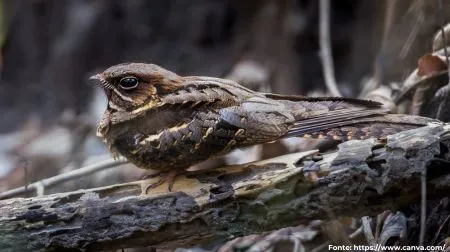
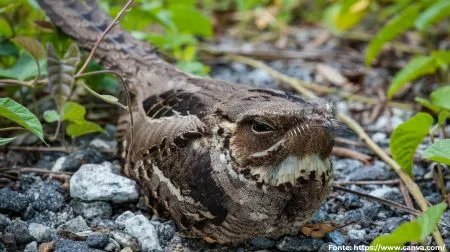
O bacurau-d'água (Chordeiles rupestris) mede cerca de 19 cm de comprimento e pertence à família dos bacuraus (Caprimulgidae). Possui plumagem escura, que proporciona excelente camuflagem durante o repouso. Diferencia-se de outras espécies por não apresentar manchas brancas nas asas e por possuir uma faixa branca bem marcada atravessando a cauda. Seu corpo alongado, asas longas e estreitas e voo ágil são adaptações perfeitas para capturar insetos em pleno ar.
The Sand-colored Nighthawk (Chordeiles rupestris) measures about 19 cm (7.5 in) in length and belongs to the nightjar family (Caprimulgidae). Its dark plumage provides excellent camouflage while resting. It can be distinguished from similar species by the absence of white patches on the wings and by the prominent white band across its tail. Its slender body, long pointed wings, and agile flight make it perfectly adapted for catching insects in midair.
AlimentaçãoFeeding
Alimenta-se principalmente de insetos voadores, capturados durante voos rápidos ao entardecer e ao longo da noite. Costuma caçar sobre rios, lagoas e outras áreas alagadas, onde a concentração de insetos é maior, realizando voos contínuos e extremamente ágeis.
Its diet consists mainly of flying insects captured during swift flights at dusk and throughout the night. It usually hunts over rivers, lakes, and other wetlands, where flying insects are abundant, performing continuous and highly agile aerial maneuvers.
ReproduçãoReproduction
A fêmea normalmente coloca ovos esbranquiçados com manchas acinzentadas, cuja coloração ajuda na camuflagem. Como ocorre com outros bacuraus, o ninho é bastante simples, aproveitando diretamente o solo ou superfícies naturais, onde os ovos permanecem protegidos principalmente pela excelente camuflagem dos adultos.
The female usually lays whitish eggs marked with gray spots, whose coloration provides effective camouflage. Like other nighthawks, the species builds little or no nest, laying its eggs directly on the ground or other natural surfaces, where both eggs and adults rely heavily on camouflage for protection.
HábitosHabits
O bacurau-d'água é uma ave de hábitos crepusculares e noturnos, permanecendo em repouso durante grande parte do dia. É comum nas margens de rios, lagos e áreas alagadas, onde pode formar grupos com 30 ou mais indivíduos. Seu voo rápido e silencioso sobre a água é uma das características mais marcantes da espécie, tornando-se mais ativo logo após o pôr do sol.
The Sand-colored Nighthawk is a crepuscular and nocturnal bird that spends most of the day resting. It is commonly found along rivers, lakes, and wetlands, where flocks of 30 or more individuals may gather. Its fast, silent flight over the water is one of its most distinctive behaviors, becoming especially active shortly after sunset.
ReferênciasReferences
Portal Brasil 500 Pássaros, Bacurau-cauda-barrada - Disponível em http://webserver.eln.gov.br/Pass500/BIRDS/1birds/p140.htm Acesso em 07 mai. 2009. Sick, Helmut. Ornitologia Brasileira. Vol. 1. Terceira Ediçaõ. Ed. UnB linha Gráfica Editora. Pág. 341. https://www.wikiaves.com.br/wiki/bacurau-de-cauda-barrada. Acesso em 16/12/2024.