Classificação científicaScientific classification
| Reino:Kingdom: | Animalia |
| Filo:Phylum: | Chordata |
| Classe:Class: | Aves |
| Ordem:Order: | Passeriformes |
| Família:Family: | IcteridaeVigors, 1825 |
| Espécie:Species: | A. badius |
| Nome científico:Scientific name: | Agelaioides badius(Vieillot, 1819) |
| Nome em inglês:English name: | Grayish Baywing |
CaracterísticasCharacteristics
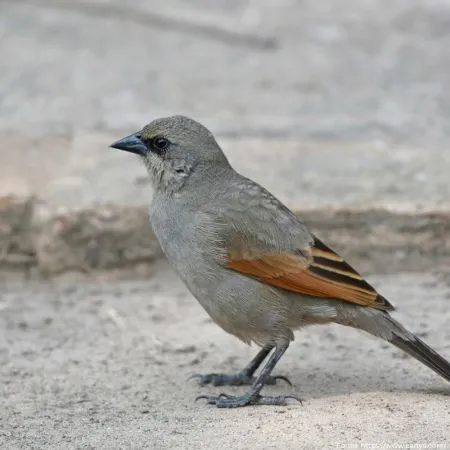
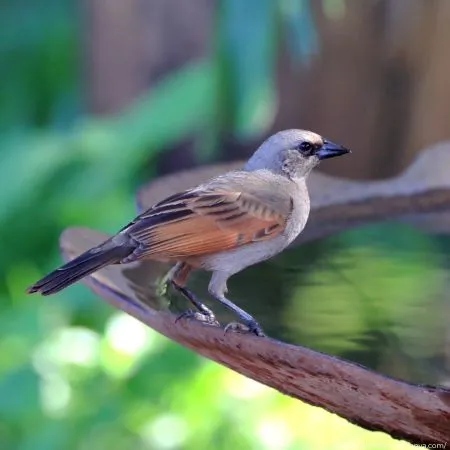
O asa-de-telha (Agelaioides badius) mede entre 15 e 19 cm de comprimento e pesa cerca de 45 g. Possui plumagem predominantemente marrom-escura, com as asas e a cauda em tons mais escuros e bordas castanho-avermelhadas nas penas das asas, característica que deu origem ao seu nome popular. Ao redor dos olhos apresenta uma discreta máscara negra, enquanto o bico curto e cônico é adaptado para uma alimentação variada. Machos e fêmeas possuem aparência muito semelhante, sendo difícil diferenciá-los apenas pela plumagem.
The Grayish Baywing (Agelaioides badius) measures 15–19 cm (6–7.5 in) in length and weighs about 45 g (1.6 oz). Its plumage is mostly dark brown, with darker wings and tail and reddish-brown edging on the wing feathers, giving rise to its common name. A subtle black mask surrounds the eyes, and its short, conical bill is well suited to its varied diet. Males and females look very similar, making them difficult to distinguish in the field.
AlimentaçãoFeeding
Alimenta-se de sementes, pequenos frutos e diversos invertebrados, como insetos e suas larvas. Grande parte da alimentação é obtida no solo, onde procura alimento caminhando entre a vegetação baixa ou em áreas abertas próximas às árvores.
Its diet includes seeds, small fruits, and a variety of invertebrates, especially insects and their larvae. Much of its food is collected on the ground, where it walks through low vegetation and open areas searching for edible items.
ReproduçãoReproduction
A espécie normalmente realiza uma ninhada por estação reprodutiva, colocando dois ovos. Diferentemente de muitas aves aparentadas, o asa-de-telha constrói seu próprio ninho em forma de pequena tigela, feita com barro e fibras vegetais. Frequentemente instala essa estrutura dentro de antigos ninhos de joões-de-barro e outras aves, além de utilizar cavidades naturais e caixas-ninho artificiais. Apesar desse comportamento incomum, também pode ser vítima do parasitismo de outras espécies, especialmente do chupim-azeviche.
The species usually produces one brood per breeding season, laying two eggs. Unlike many of its relatives, the Grayish Baywing builds its own cup-shaped nest using mud and plant fibers. It often places this nest inside abandoned ovenbird nests, natural cavities, or artificial nest boxes. Despite this unusual nesting strategy, it is itself frequently parasitized by other birds, especially the Screaming Cowbird.
HábitosHabits
O asa-de-telha é uma ave bastante sociável, vivendo em grupos que podem reunir até 20 indivíduos. Adapta-se facilmente a ambientes modificados pelo ser humano, sendo comum em fazendas, áreas rurais, praças e pequenas cidades do interior. Costuma permanecer no solo ou em árvores baixas, sempre mantendo contato com o restante do grupo por meio de vocalizações constantes.
The Grayish Baywing is a highly social bird, often living in groups of up to 20 individuals. It adapts well to human-altered environments and is commonly found around farms, rural properties, village squares, and small towns. It spends much of its time on the ground or in low trees, maintaining contact with other members of the flock through frequent vocalizations.
ReferênciasReferences
del Hoyo, J.; et al., (2016). Handbook of the Birds of the World Alive. Lynx Edicions, Barcelona. IBAMA. IN01-03. 24 jan. 2003. p. 7. Arthur Grossethttp://www.arthurgrosset.com/sabirds/bay-wingedcowbird.html Sick, Helmut. Ornitologia brasileira. Editora Nova Fronteira S.A., Rio de Janeiro, 1997, Pág. 801. https://www.wikiaves.com.br/wiki/asa-de-telha. Acesso em 20/12/2024.