Classificação científicaScientific classification
| Reino:Kingdom: | Animalia |
| Filo:Phylum: | Chordata |
| Classe:Class: | Aves |
| Ordem:Order: | Psittaciformes |
| Família:Family: | PsittacidaeRafinesque, 1815 |
| Espécie:Species: | A. chloropterus |
| Nome científico:Scientific name: | Ara chloropterusGray, 1859 |
| Nome em inglês:English name: | Red-and-green Macaw |
CaracterísticasCharacteristics
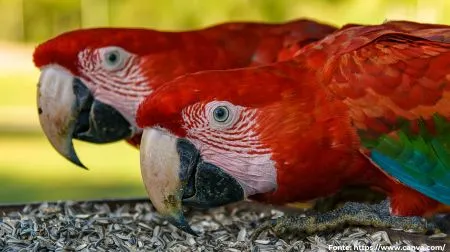
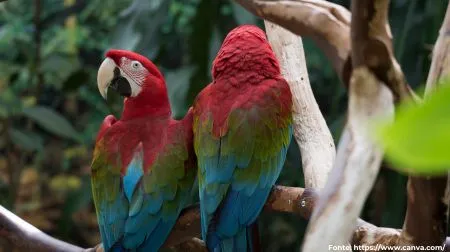
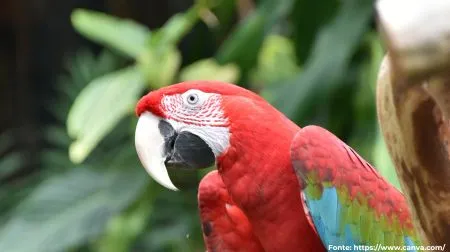
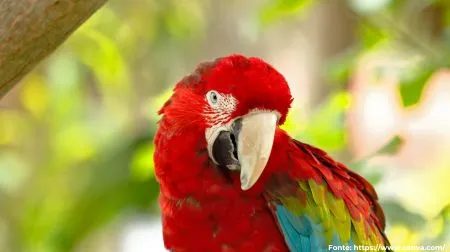
A arara-vermelha (Ara chloropterus) mede cerca de 90 cm de comprimento e pesa aproximadamente 1,5 kg, sendo uma das maiores espécies de araras do mundo. Sua plumagem é predominantemente vermelha, com uma larga faixa verde na parte central das asas, seguida por penas azuis nas extremidades. A face branca é ornamentada por delicadas linhas de pequenas penas vermelhas, característica que ajuda a diferenciá-la da araracanga (Ara macao). A longa cauda azul-avermelhada completa sua aparência elegante e imponente. Seu voo forte, suas cores vibrantes e suas vocalizações marcantes fazem dela uma das aves mais espetaculares da fauna brasileira.
The Red-and-green Macaw (Ara chloropterus) measures about 90 cm (35 in) in length and weighs around 1.5 kg (3.3 lb), making it one of the largest macaw species in the world. Its plumage is predominantly red, with a broad green band across the middle of the wings followed by bright blue flight feathers. The white facial skin is decorated with delicate red feather lines, a feature that distinguishes it from the Scarlet Macaw (Ara macao). Its long tail, shaded in red and blue, completes its striking appearance. Its powerful flight, vibrant colors, and loud calls make it one of the most spectacular birds of South America.
AlimentaçãoFeeding
Alimenta-se principalmente de frutos, sementes, castanhas e coquinhos de diversas espécies de palmeiras. No Pantanal, aprecia especialmente os frutos do buriti e de outras palmeiras nativas. Seu bico extremamente forte permite quebrar sementes de casca dura, aproveitando recursos alimentares inacessíveis para muitas outras aves.
Its diet consists mainly of fruits, seeds, nuts, and palm fruits. In the Pantanal, it is especially fond of the fruits of the buriti palm and other native palms. Its exceptionally powerful bill allows it to crack hard seeds that are inaccessible to many other bird species.
ReproduçãoReproduction
A arara-vermelha forma casais duradouros e nidifica em cavidades naturais, utilizando tanto ocos de árvores quanto fendas e pequenas grutas em paredões rochosos, dependendo da região onde vive. A fêmea normalmente coloca dois a três ovos, e ambos os pais participam da incubação e dos cuidados com os filhotes. A sobrevivência dos jovens depende da disponibilidade de alimento e da proteção contra predadores naturais.
Red-and-green Macaws form long-lasting pair bonds and nest in natural cavities, using both tree hollows and rock crevices, depending on the habitat. The female usually lays two to three eggs, and both parents share the duties of incubation and chick rearing. The survival of the young depends on food availability and protection from natural predators.
HábitosHabits
Habita florestas de galeria, matas altas, buritizais, coqueirais e áreas abertas com árvores de grande porte, podendo ser encontrada desde regiões de baixa altitude até cerca de 1.400 metros. É observada em casais, grupos familiares ou pequenos bandos. Seus voos são rápidos e diretos, geralmente acompanhados por vocalizações fortes que ajudam a manter o contato entre os indivíduos. Assim como outras grandes araras, desempenha importante papel ecológico na dispersão de sementes, contribuindo para a regeneração das florestas.
The Red-and-green Macaw inhabits gallery forests, tall woodlands, palm groves, and open landscapes with large trees, occurring from lowlands to elevations of about 1,400 m (4,600 ft). It is commonly seen in pairs, family groups, or small flocks. Its fast, direct flight is usually accompanied by loud calls that help maintain contact between individuals. Like other large macaws, it plays an important ecological role by dispersing the seeds of many native plant species.
ReferênciasReferences
Collar, N. J. (1997). Family Pscittacidae (Parrots). Pp. 422 in: del Hoyo, J., Elliott, A., & Christie, D. A. eds. (1997). Handbook of the Birds of the World. Vol. 4. Sandgrouse to Cuckoos. Linx Edicions, Barcelona. Portal Brasil 500 Pássaros, Arara-vermelha-grande. Disponível em: http://webserver.eln.gov.br/Pass500/BIRDS/1birds/p109.htm. Acessado em: 06 mai. 2009. Mahecha, José Vicente Rodríguez; Suárez, Franklin Rojas; Arzuza, Diana Esther; Hernández, Andrés Gonzáles. Loros, Pericos & Guacamayas Neotropicales. Panamericana Formas e Impresos S.A., Bogota D.C., 2005, Pág. 57. CLEMENTS, J. F.; The Clements Checklist of Birds of the World. Cornell: Cornell University Press, 2005. https://www.wikiaves.com.br/wiki/arara-vermelha. Acesso em 16/12/2024.