Classificação científicaScientific classification
| Reino:Kingdom: | Animalia |
| Filo:Phylum: | Chordata |
| Classe:Class: | Aves |
| Ordem:Order: | Pelecaniformes |
| Família:Family: | ArdeidaeLeach, 1820 |
| Espécie:Species: | C. cochlearius |
| Nome científico:Scientific name: | Cochlearius cochlearius(Linnaeus, 1766) |
| Nome em inglês:English name: | Boat-billed Heron |
CaracterísticasCharacteristics
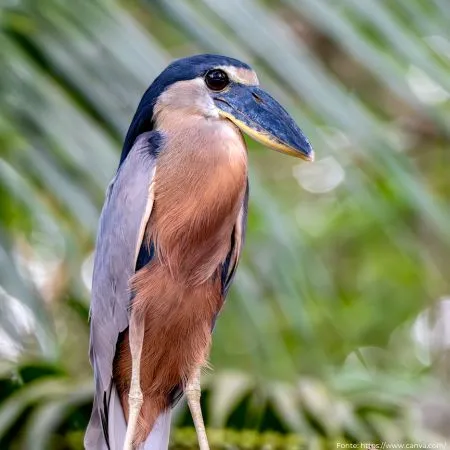
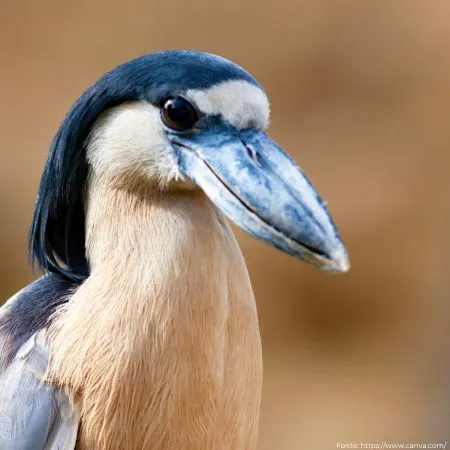
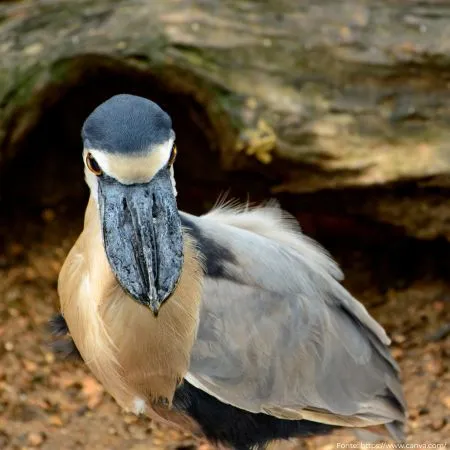
O arapapá (Cochlearius cochlearius), também conhecido como garça-bico-de-barco, é uma ave de hábitos crepusculares e noturnos, facilmente reconhecida por seu enorme bico largo e achatado, que lembra um barco virado de cabeça para baixo. Mede entre 45 e 53 cm de comprimento e pesa de 500 a 770 g. Possui plumagem predominantemente cinza, com coroa e crista pretas, testa e garganta brancas e olhos grandes adaptados à visão em ambientes com pouca luz. As pernas são esverdeadas e, no Brasil, a bolsa gular apresenta coloração rosada. Machos e fêmeas são muito semelhantes, embora os machos geralmente apresentem uma crista mais desenvolvida. Os jovens possuem plumagem mais amarronzada e passam por várias mudanças até atingirem a aparência dos adultos.
The Boat-billed Heron (Cochlearius cochlearius) is a crepuscular and nocturnal bird that is instantly recognized by its enormous broad, flattened bill, which resembles an upside-down boat. It measures 45–53 cm (18–21 in) in length and weighs 500–770 g (18–27 oz). Its plumage is mostly gray, with a black crown and crest, white forehead and throat, and large eyes specially adapted for low-light conditions. The legs are greenish, and in Brazil the expandable throat pouch is distinctly pink. Males and females are very similar, although males usually have a more prominent crest. Juveniles are browner and gradually acquire the adult plumage through several molts.
AlimentaçãoFeeding
Alimenta-se principalmente de peixes, crustáceos, insetos, vermes e anfíbios. Ao entardecer e durante a noite desloca-se para margens de rios, lagoas e áreas rasas, onde caça utilizando sua excelente visão noturna. Quando captura presas maiores, pode mergulhá-las novamente na água antes de engoli-las, facilitando sua ingestão.
Its diet consists mainly of fish, crustaceans, insects, worms, and amphibians. At dusk and during the night, it moves to the edges of rivers, lagoons, and shallow wetlands, where it hunts using its excellent night vision. When capturing larger prey, it may briefly dip it back into the water before swallowing, making it easier to consume.
ReproduçãoReproduction
Durante a época reprodutiva, o casal realiza uma elaborada exibição, abrindo a grande crista e tocando os bicos em um ritual de corte. A espécie nidifica em colônias, frequentemente compartilhando áreas de reprodução com garças, guarás e outras aves aquáticas. O ninho é construído com gravetos sobre árvores em áreas alagadas, especialmente manguezais. A fêmea normalmente coloca de um a três ovos, incubados por aproximadamente 23 a 28 dias. Ambos os pais defendem o ninho com grande determinação, tornando-se bastante agressivos diante de possíveis ameaças.
During the breeding season, pairs perform an elaborate courtship display by raising their impressive crest and gently touching each other's bills. The species nests in colonies, often alongside herons, ibises, and other waterbirds. The nest is a simple platform of sticks built in trees growing in flooded areas, especially mangroves. The female usually lays one to three eggs, which are incubated for about 23–28 days. Both parents vigorously defend the nest and can become surprisingly aggressive when protecting their young.
HábitosHabits
Habita manguezais, rios florestados, brejos, lagoas e outras áreas úmidas com vegetação densa. Durante o dia permanece imóvel entre os galhos, onde sua plumagem proporciona excelente camuflagem, tornando-o difícil de ser observado. É uma ave discreta, normalmente solitária ou encontrada aos pares, embora possa formar pequenos grupos em dormitórios ou colônias reprodutivas. Sua atividade concentra-se principalmente no entardecer e durante a noite, quando deixa os locais de descanso para caçar.
The Boat-billed Heron inhabits mangroves, forested rivers, marshes, lagoons, and other densely vegetated wetlands. During the day, it remains motionless among branches, where its plumage provides excellent camouflage, making it surprisingly difficult to spot. It is usually solitary or found in pairs, although small groups may gather at communal roosts or breeding colonies. Most of its activity takes place at dusk and throughout the night, when it leaves its daytime roosts to forage.
ReferênciasReferences
Portal Brasil 500 Pássaros, Arapapá. Disponível em: http://webserver.eln.gov.br/Pass500/BIRDS/1birds/p23.htm. Acessado em: 06 mai. 2009 The encyclopedia of birds. International Masters Publishing, New York, 2007, Pág. 153. Dickerman, R.W. (1974). Review of the Boat-billed Heron Cochlearius cochlearius; BBOC, 93, 111-14. Martínez-Vilalta, A. e A. Motis. 1999. Boat-billed Heron Cochlearius cochlearius; pp 421, em:. J. del Hoyo, A. e J. Elliott Sargatal (ed.). Handbook of Birds of the World. Volume I. Barcelona: Lynx Edicions. 421 pp. Sick, Helmut. Ornitologia Brasileira. Editora Nova Fronteira, Rio de Janeiro, 1997. Sigrist, Tomas. Guia de Campo Avis Brasilis, Avifauna Brasileira. Editora Avisbrsilis, Vinhedo, SP, 2009. http://neotropical.birds.cornell.edu/ http://eol.org/ Contribuição: Omar Ramos Borges. https://www.wikiaves.com.br/wiki/arapapa. Acesso em 16/12/2024.